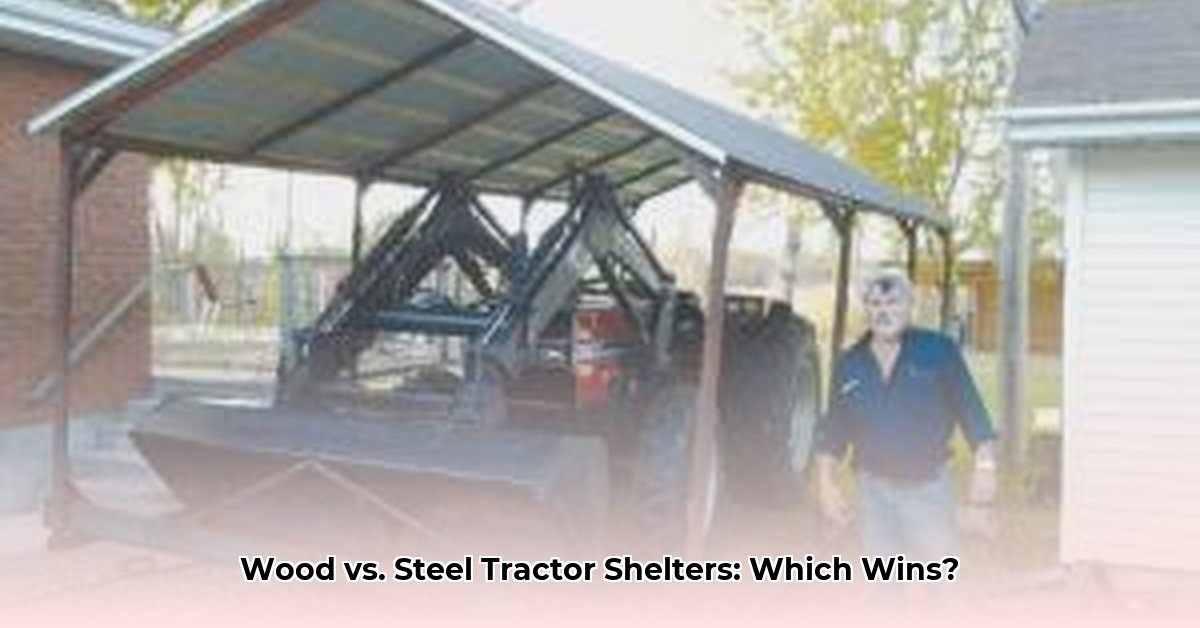
Choosing the right tractor shelter is a crucial investment for any farm. This comprehensive guide will help you decide between wood and steel, considering factors like cost, durability, and sustainability. We'll provide a step-by-step process to ensure you build a shelter that perfectly fits your needs and budget.
Understanding Your Needs: Planning for the Future
Before choosing materials, carefully assess your needs. What size tractor do you need to accommodate? Will you store other equipment? Think about future expansion; a slightly larger shelter now might save you money and hassle later. Accurate measurements are crucial for efficient construction.
Budgetary Considerations: Balancing Cost and Value
Determine a realistic budget encompassing materials, labor (if hiring a contractor), permits, and potential ongoing maintenance. Remember, the lowest initial cost may not be the most economical long-term solution. A thorough cost-benefit analysis is essential. Do you prioritize lower upfront costs or lower long-term expenses?
Wood vs. Steel: A Detailed Comparison
Both wood and steel offer unique advantages and disadvantages. Let's break down the key factors to help you make an informed decision.
Wood Tractor Shelters: Rustic Charm and Customizability
Wood shelters offer a classic, visually appealing aesthetic. They blend well with many farm landscapes and can create a warm, inviting atmosphere.
Pros:
- Potentially Lower Initial Cost: Wood can be cheaper upfront, especially if sourced locally. This can significantly impact your initial budget.
- Easier Customization: Modifying a wood structure is generally easier and less expensive than altering a steel structure.
- DIY Potential: For those handy with tools, building a wood shelter can be a rewarding project.
Cons:
- Higher Maintenance: Wood requires regular painting or staining to protect against rot, insects, and the elements. This leads to ongoing costs.
- Shorter Lifespan: Compared to steel, wood has a significantly shorter lifespan, requiring eventual replacement.
- Vulnerability to Damage: Wood is susceptible to fire, pests, and weather damage.
Steel Tractor Shelters: Durability and Longevity
Steel shelters stand out for their robustness and durability, providing long-lasting protection with minimal upkeep.
Pros:
- Exceptional Durability and Long Lifespan: Steel shelters are designed to withstand harsh weather and last for decades.
- Low Maintenance: Regular inspections are important, but the maintenance requirements are far lower than for wood.
- Superior Protection: Steel offers superior protection against the elements, pests, and rodents.
Cons:
- Higher Initial Cost: Steel shelters have a higher upfront cost than wood structures.
- Specialized Skills and Tools: Construction or repairs often require specialized skills and tools, sometimes necessitating professional assistance.
- Potential for Rust: While modern galvanized steel is highly resistant, rust is a potential concern if maintenance is neglected.
Step-by-Step Guide to Building Your Tractor Shelter
Building a tractor shelter is a substantial project. Follow these key steps:
- Assess Your Needs (Again!): Reiterate your exact requirements for size, access, and future expansion possibilities.
- Finalize Your Budget: Refine your budget based on the material choice (wood or steel) and include contingency for unforeseen expenses.
- Choose Your Materials: Make your final decision based on the previous cost-benefit analysis and preferrably consult an expert.
- Site Selection: Choose a level, well-drained location. Check local building codes and regulations.
- Obtain Necessary Permits: This step is crucial to avoid legal issues during and after construction.
- Secure Professional Expertise (Optional but Recommended): Consulting an agricultural engineer or experienced contractor adds a layer of safety and expertise. This is particularly important for steel structures.
Prioritizing Sustainability: Environmental Considerations
Sustainable building practices are critical.
- Source Materials Responsibly: Choose sustainably harvested lumber or recycled steel.
- Energy Efficiency: Proper insulation reduces energy usage for heating and cooling.
- Minimize Waste: Plan carefully to reduce construction waste.
Risk Assessment Matrix: Identifying and Mitigating Potential Problems
This matrix simplifies potential risks for both wood and steel shelters.
| Risk Factor | Metal Barn Likelihood | Metal Barn Severity | Wood Barn Likelihood | Wood Barn Severity | Mitigation Strategies |
|---|---|---|---|---|---|
| Fire | Low | High | Moderate | High | Fire-resistant materials; adequate fire suppression systems |
| Pest Infestation | Low | Low | High | High | Treated lumber; regular inspections; preventative pest control |
| Structural Failure | Low | High | Moderate | High | Proper engineering; regular inspections; quality materials |
| Material Price Fluctuation | Moderate | Moderate | Moderate | Moderate | Secure materials in advance; negotiate fixed pricing with suppliers |
Lifecycle Cost Comparison: The Long View
While initial costs differ, long-term considerations are crucial. Metal barns generally offer lower long-term maintenance and a longer lifespan, making them more cost-effective in the long run for many farmers. A detailed analysis considering all factors is necessary before a final decision is made. A spreadsheet or similar tool can assist in this process.
Call to Action: Start Planning Your Ideal Tractor Shelter Today
Building a durable, sustainable, and cost-effective tractor shelter is a significant undertaking, but a well-planned project is rewarding. Use this guide, conduct further research, and seek expert advice to ensure your tractor enjoys optimal protection for years to come. Contact local suppliers and contractors to start your project today.